
Women's Health Week: Four Health Conversations Worth Having With Your GP
Women's Health Week is a reminder to make your health a priority, even when life gets busy. Between work, family responsibilities and everyday commitments, it can be easy to put your own health needs aside.
But looking after your health does not always require a major lifestyle change. Sometimes, the most important step is simply making time to speak with your GP.
Whether you have a health concern, want to review your current care, or have questions about changes in your body, a conversation with your doctor can help you understand what to do next.
Here are four health conversations worth having with your GP during Women's Health Week and throughout the year.
1. "Am I up to date with my health checks?"
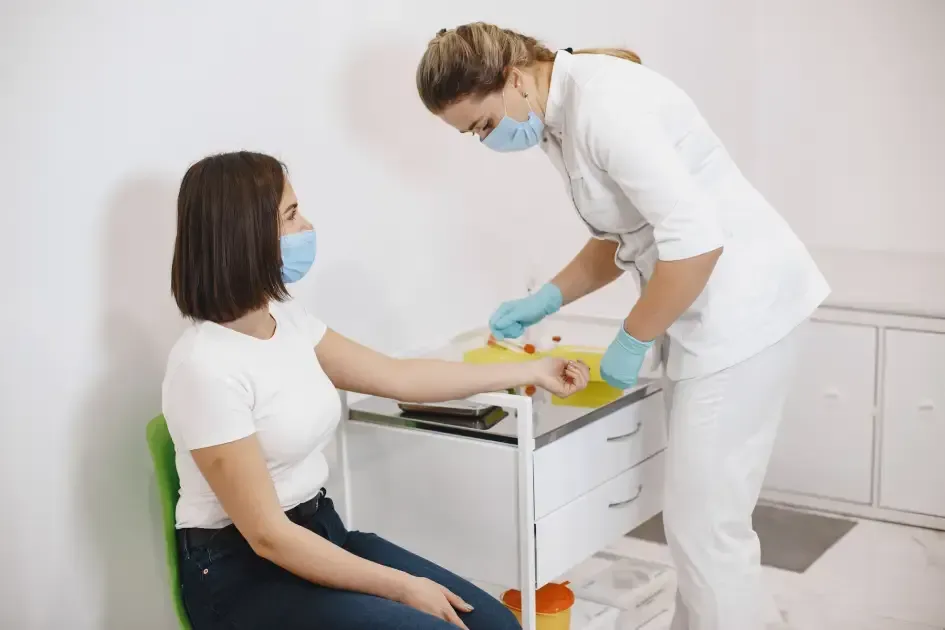
Regular health checks can help identify health risks and support early detection of certain conditions. The checks you need depend on your age, medical history, family history and individual risk factors.
Your GP can help you understand which preventive health checks may be appropriate for you.
Depending on your circumstances, this may include:
- Blood pressure and cardiovascular health assessments.
- Cervical screening.
- Breast health and breast cancer screening discussions.
- Bowel cancer screening.
- Diabetes and cholesterol assessments.
- Vaccination reviews.
You do not need to wait until you feel unwell to discuss preventive healthcare. Some conditions can develop without noticeable symptoms, making regular health assessments an important part of looking after yourself.
A simple first step: Ask your GP, "Are there any health checks or screenings I should be having at my age?"
Your doctor can help you understand which checks are relevant to you and when they should be completed.
2. "Are my medications and treatment still right for me?"
Your health needs can change over time. A medication or treatment that was appropriate in the past may need to be reviewed as your circumstances change.
A medication review gives you an opportunity to discuss how your treatment is going, whether you have experienced side effects and whether any changes to your health could affect your care.
This is particularly important if you:
- Take several medications.
- Have recently started a new medication.
- Are experiencing unexpected side effects.
- Have concerns about your current treatment.
- Are managing an ongoing health condition.
Do not stop taking prescribed medication or change your dose without speaking with your doctor.
A simple first step: Bring a list of your current medications, including any over-the-counter medicines or supplements, to your next appointment.
Your GP can review your treatment and help you understand whether any changes or follow-up are needed.
3. "Is my tiredness, stress or change in mood something I should discuss?"
Feeling tired after a busy day is common. But ongoing fatigue, difficulty sleeping, persistent stress or changes in mood can affect your quality of life and deserve attention.
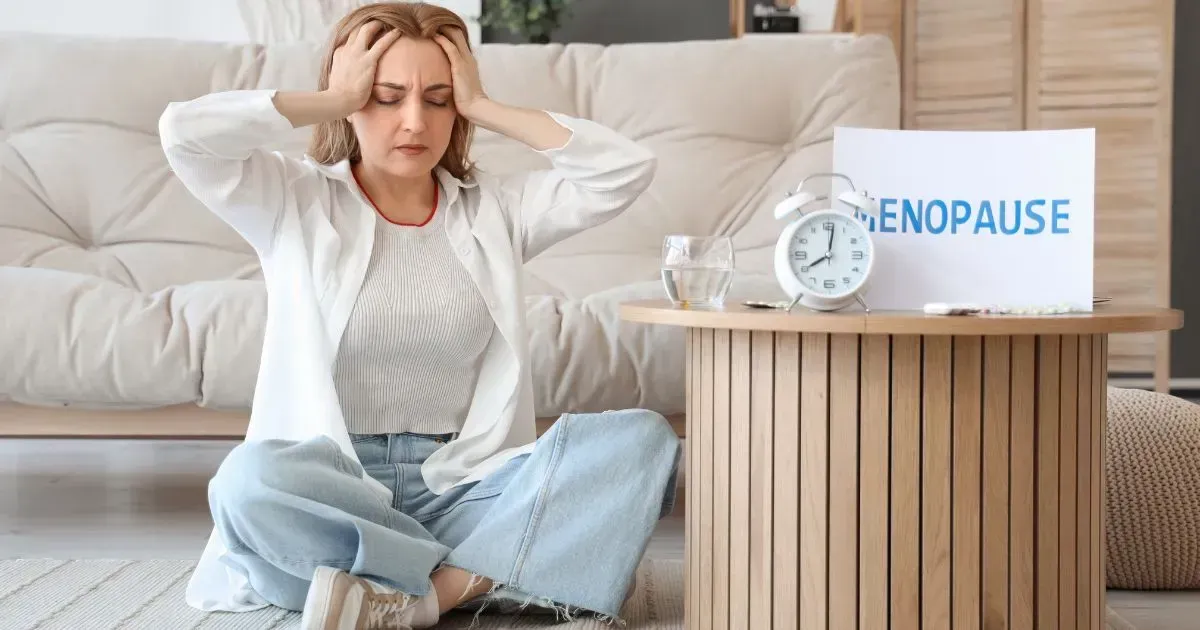
Women may experience changes in wellbeing at different stages of life, including during reproductive years, pregnancy, the postnatal period and menopause. However, persistent symptoms should not automatically be dismissed as a normal part of getting older or having a busy life.
There can be different reasons for fatigue or changes in mood, including sleep difficulties, stress, medication effects and other health conditions. Your GP can help assess your symptoms and determine whether further investigation or support is appropriate.
You can also speak with your doctor about:
- Changes in your menstrual cycle.
- Menopause symptoms.
- Sleep difficulties.
- Anxiety or low mood.
- Ongoing stress or feeling overwhelmed.
- Changes in energy levels.
A simple first step: Keep a brief record of your symptoms, including when they started, how often they occur and whether anything makes them better or worse.
This can help you explain your concerns clearly during your appointment.
4. "Is there something about my reproductive or sexual health I've been putting off?"
Reproductive and sexual health are important parts of women's overall wellbeing. Yet many women delay discussing concerns because they feel uncomfortable, embarrassed or unsure whether their symptoms are worth mentioning.
Your GP is there to help you discuss these concerns in a professional and confidential setting.
Depending on your needs, you may want to talk about:
- Period pain or changes in your menstrual cycle.
- Contraception and family planning.
- Pregnancy planning and care.
- Sexual health concerns.
- Unusual bleeding or pelvic discomfort.
- Menopause and hormonal changes.
- Concerns about fertility.
There is no need to wait until a concern becomes severe before seeking advice. If you have noticed a change that is worrying you, speaking with your GP can help you understand whether an assessment is needed.
A simple first step: Write down the concern you have been meaning to discuss and bring it to your appointment.
Your doctor can explain your options, answer your questions and recommend appropriate next steps.
Making Time for Your Health
Women's Health Week is an opportunity to think about your own health, not just the health of the people you care for.
You do not need to address every concern in one appointment. Starting with one question can be enough to begin a useful conversation with your GP.
If you have ongoing symptoms, concerns about your health or questions about preventive care, arrange an appointment to discuss them.
Women's Health Services at Kippax Medical Centre
At Kippax Medical Centre, we provide women's health services as part of our broader family and preventative healthcare.
Our team can help you discuss your health concerns and understand the care that may be appropriate for your individual needs.
We serve patients in Holt, Charnwood, Belconnen, Ginninderry, Strathnairn, Macnamara, MacGregor, Higgins, Latham and surrounding suburbs.
If you have been putting off a health conversation, Women's Health Week is a useful reminder to take that first step.
Book an appointment with Kippax Medical Centre to discuss your women's health needs.
Medical Disclaimer
This article provides general health information and is not a substitute for personalised medical advice. If you have symptoms or concerns about your health, speak with a qualified healthcare professional. In an emergency, call (02) 5114 2676 .
Sources:
- Jean Hailes for Women's Health. Women's Health Week 2026. Available at: https://www.jeanhailes.org.au/get-involved/womens-health-week/
- Healthdirect Australia. Health checks for women. Available at: https://www.healthdirect.gov.au/health-checks-for-women
- Healthdirect Australia. Health checks, screenings and tests. Available at: https://www.healthdirect.gov.au/health-screening-tests