
Travel Doctor Canberra: Your Complete Pre-Travel Health Guide
Why a travel health plan matters
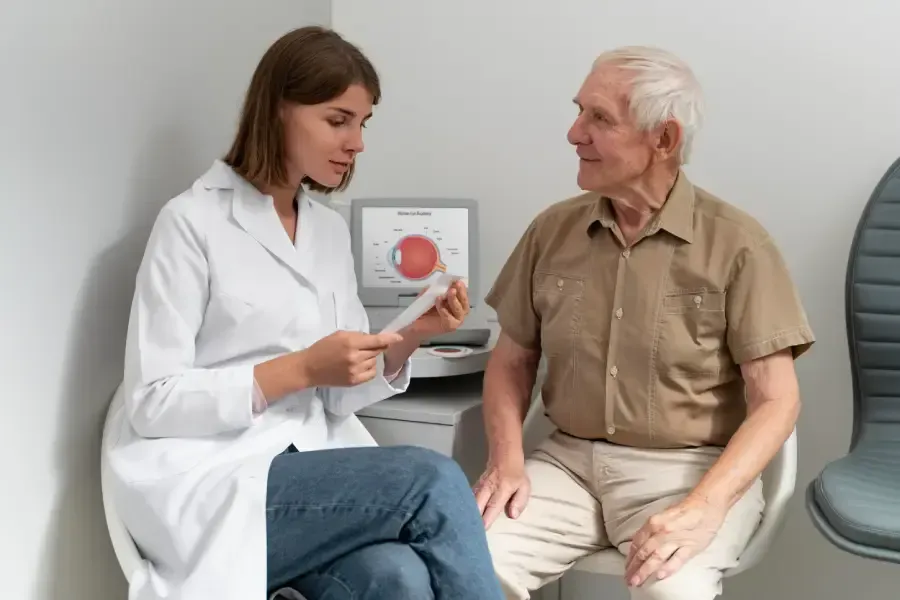
A holiday is easier to enjoy when you have thought about your health before you pack. People who search for “travel doctor Canberra” often want a clear plan before they go. A short trip to Bali, a long stay with family abroad and a trek in a remote area can bring very different risks. Even people going to the same country may need different advice. Your age, health, past vaccines, planned activities and exact route all matter. For Canberra residents, a visit to a travel doctor can help turn a long list of online tips into a plan that fits the trip. The goal is not to suggest every vaccine or medicine. It is to find what may be useful, explain your options and help you avoid avoidable problems. This guide shows what to discuss, when to book and what to take with you.
When should you book a travel health appointment?
Try to book a review about six to eight weeks before you leave, or earlier for a complex trip. Some vaccines need more than one dose, and your doctor may need time to check your records or book a follow-up. Kippax Medical Centre advises visitors to make contact four to six weeks before travel; starting earlier gives you more room to plan. A last-minute trip is still worth talking about with a GP. Do not assume it is too late for any useful advice. If you are pregnant, travelling with a baby, living with a long-term illness or going somewhere remote, an earlier discussion may be helpful. When you book, tell reception that you need a travel health appointment so the team can advise on the type of visit available.
What to bring to the consultation
Bring your route, departure dates, expected length of stay and details of the places you will visit. Include rural stops, hiking, volunteer work and visits to relatives, not just the arrival airport. Take your vaccine record if you have one. Also bring a list of regular medicines, allergies and past vaccine reactions. If you are unsure about an old injection, say so rather than guessing. For a family trip, prepare details for each person. A parent and child may have different vaccine needs. Your doctor can use this details to decide what should be reviewed before departure and whether other health advice is needed.
When records are hard to find
If you cannot find an old vaccine record, tell the doctor what you do know. Bring any school, work or travel records that might help. A GP can advise on next steps based on your history. Avoid buying repeat shots just because the dates are missing.
Travel vaccines are not a single country checklist
The Australian Immunisation Handbook advises that people be up to date with routine vaccines and consider other vaccines based on itinerary and personal risk. This means your GP may first review common vaccines such as measles, tetanus and influenza. Depending on where you will stay and what you will do, the discussion may also include hepatitis A, typhoid, Japanese encephalitis or rabies. None of these is automatically needed for every person. Vaccine schedules, supply, previous doses and health history affect the decision. Some entry requirements can also change. Check official place details near your departure date rather than relying on a blog published months earlier. If your next holiday is to Indonesia, the separate guide on travel vaccinations for Bali from Canberra explores questions that may come up at a travel visit.
Good travel health advice goes beyond injections
Vaccines are only one part of a safe travel plan. A travel appointment may also cover mosquito bite prevention, food and drinking water, heat, long flights, altitude, animal contact and access to medical care. For a trip with possible malaria exposure, your doctor may discuss preventive medicine after checking the exact places you will visit. Malaria prevention advice does not mean there is a routine malaria vaccine available to Australian people. For more detail, see the planned article on malaria prevention for overseas travellers. If your itinerary includes local markets, remote transport or places where tap water is not safe, planning safe meals and fluids can also make a difference. Read the planned food and water safety guide for practical habits you can use throughout your trip.
Extra planning for families and people with health conditions
Children need advice that fits their age, vaccine history and activities. A child who is not yet due for an Australian routine vaccine may need a special discussion before an overseas trip. Do not change a child's schedule without guidance from a health trained. Travellers with diabetes, asthma, heart disease or other long-term conditions should review medicines, emergency plans and travel insurance. Some medicines that are legal in Australia are restricted abroad. Travellers may need prescriptions, a medical letter or proof that an item is for personal use. If your household is travelling together, the planned guide to travel vaccinations for children can help you prepare. People managing ongoing illness can also read about travelling overseas with chronic medical conditions.
Make a practical checklist before you leave
Start by reading the latest Smartraveller advice for every place and stopover. Check entry rules through official government sources. Arrange travel insurance that suits your health and planned activities, including evacuation cover where relevant. Know where you could seek help if you became sick. Store your emergency contacts and policy details in more than one place. Pack medicines in their original labelled packs and keep key supplies in your hand luggage when travel rules permit. Carry a prescription copy and ask whether you need a doctor's letter. Include insect repellent, basic first-aid items and a plan for safe drinking water. These steps are useful even for a short resort holiday. If your trip includes travel by sea or outdoor activities, check those risks separately rather than assuming your regular policy covers them.
What if you become unwell on the trip or after returning?
Seek urgent medical care for a serious allergic reaction, difficulty breathing, severe dehydration, confusion or other severe signs. If you develop a fever during or after travel in a malaria-risk area, tell the clinician where you have been and seek prompt health check. Some trip-related illnesses appear only after you get home. Keep your itinerary handy for medical appointments, including dates and rural locations. Do not self-diagnose a fever as a common virus after a high-risk trip. For milder signs, contact an appropriate medical service and follow local advice. The purpose of advance planning is not to remove all risk; it is to help you act sooner and more confidently if something changes.
Preparing for a travel consultation in Holt
Kippax Medical Centre provides travel medicine and immunisation visits in Holt for patients from the surrounding Belconnen area. The clinic asks patients to bring available vaccine records and to explain that the appointment is for travel health. A clinician can review each person's itinerary and health history, then discuss suitable next steps. The clinic has an existing travel medicine service page with more about the visit. For appointments, use the online booking page or contact reception. Confirm vaccine access, timing, fees and supply directly rather than assuming they are the same for every trip.
Your short pre-flight health checklist
Write down the places you plan to visit. Add each stop and the dates. Keep a copy on your phone. Take your vaccine record to the GP. Bring a list of the medicines you use. Ask what to pack for a day trip. Know where to get help if you feel sick. Keep your insurer's phone number close. Check the latest advice just before you leave. If your plan changes, ask if your health advice needs to change too.
Frequently asked questions
1. How early should I see a travel doctor in Canberra?
Around six to eight weeks before travel is helpful where possible. Some courses need more time. Kippax advises discussing travel plans four to six weeks ahead; contact the clinic even if departure is sooner.
2. Does everyone travelling overseas need extra vaccines?
No. A GP considers your routine vaccine history, destination, activities and health before recommending anything additional.
3. Can a GP help if I have a medical condition?
A GP can review your current care, medicines and travel concerns. More complex needs may require input from your treating specialist.
4. Should children attend a travel consultation?
Yes, children need advice based on their own age, vaccine history and itinerary. Do not assume an adult's advice applies to them.
5. What should I bring to a travel appointment?
Bring your itinerary, travel dates, vaccine history, medicine list and details of allergies, health conditions and planned activities.
📍 41 Hardwick Crescent, Holt ACT 2615
📞 (02) 5114 2676
📧 reception@kippaxmedicalcentre.com.au
🔗Contact Kippax Medical Centre